Views: 0 Author: Site Editor Publish Time: 2026-08-12 Origin: Site
Heavy lifting operations carry massive liability, severe operational risk, and high potential for costly downtime. When multi-ton loads shift unexpectedly, the consequences ripple across an entire job site. Crane accidents are rarely unpredictable events. They typically stem from process failures, overlooked ground conditions, or equipment limitations pushed past the breaking point.
Transitioning from reactive safety compliance to proactive risk management changes this dynamic entirely. You need a solid combination of site preparation, operator competency, and modern equipment capabilities to protect your crew. A proactive approach neutralizes hazards before the rigging gear even attaches to the load.
This article provides a comprehensive framework for evaluating and implementing advanced safety protocols. Fleet managers, safety officers, and procurement teams will learn how to optimize heavy lifting operations. You will discover practical ways to finalize equipment decisions while prioritizing site safety, operational efficiency, and strict regulatory adherence.
Pre-lift planning and precise ground stabilization are non-negotiable baselines that prevent structural tipping and catastrophic failures.
Active load control requires strict adherence to load charts, aided by modern weighing and monitoring systems.
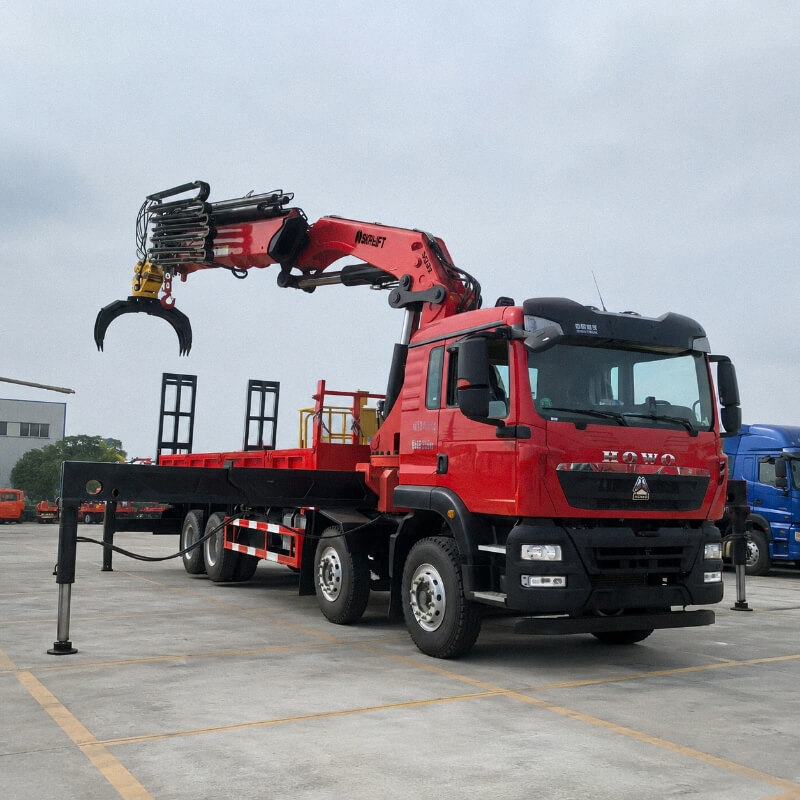
Selecting the right Truck Mounted Crane or Knuckle Boom Crane requires evaluating built-in safety technologies like Load Moment Indicators (LMI) and telematics.
Proactive maintenance and audit trails protect both the operational workforce and the company’s legal liability.
Every successful lift begins before the crane engine even starts. Ground conditions dictate the safety of the entire operation. Site assessments must evaluate Ground Bearing Pressure (GBP) thoroughly. You cannot rely on visual inspections alone. Operators must evaluate soil conditions and look for underground voids. Saturated soil, uncompacted clay, or loose gravel severely reduces load-bearing capacity.
Avoid making assumptions about paved surfaces. Asphalt looks strong but often conceals weak subgrades, aging pipes, or hidden sinkholes. Heavy lifting easily punches through unsupported pavement. Appropriate crane mats and cribbing distribute outrigger force safely across a wider surface area. This distribution keeps the ground pressure below the maximum allowable soil capacity.
Outrigger deployment requires rigorous Standard Operating Procedures (SOPs). Operators must ensure full outrigger extension for maximum stability. We often see operators attempt short-rigging in tight urban spaces. This practice dangerously alters the tipping axis. Modern equipment integrates interlock systems to prevent this hazard entirely.
To establish a secure lifting environment, crews must assess the following environmental variables:
Wind Speeds: Establish hard cut-offs for wind. High winds catch large surface-area loads, turning them into dangerous sails.
Electrical Clearances: Follow strict power line rules. The OSHA minimum 10-foot clearance rule is a non-negotiable baseline for preventing fatal arc flashes.
Visibility Conditions: Mandate strict operational thresholds. Heavy fog, torrential rain, or intense sun glare severely compromise the operator line-of-sight.
Mastering load dynamics keeps operations strictly within safe structural limits. Load chart compliance forms the absolute core of lifting safety. Operators must accurately calculate net capacity for every single job. This vital calculation includes the physical weight of the load itself. It must also include the hook, the block, and all attached rigging gear. Slings, shackles, and spreader bars add significant weight. Neglecting lifting accessory weight often leads to accidental overloads.
Lifting remains a highly dynamic process. You must actively manage load swing and shock loading. A rapid hoist movement creates dangerous shock loads. This sudden upward force multiplies the effective weight on the boom structure. Snatching a load off the ground can instantly trigger a structural failure. Center-of-gravity shifts during movement also demand careful attention. Sudden stops or jerky rotations cause loads to swing outward. This momentum increases the lifting radius and decreases overall capacity.
Equipment specifics dictate how you handle load dynamics on site. Traditional telescopic booms and a Knuckle Boom Crane handle suspended loads very differently. Telescopic booms utilize linear extensions. Knuckle booms offer tighter load control in highly confined spaces. They keep heavy materials much closer to the vehicle chassis. However, operators must fully understand complex articulation points. Shifting payload balances happen rapidly as the multiple boom joints unfold in mid-air.
Integration of modern weighing systems removes human guesswork from lifting. Many heavy lifting vehicles now utilize integrated load cells and digital dynamometers. These robust devices provide operators with real-time payload data directly in the cab. Immediate feedback prevents accidental overloading before the material ever leaves the ground.
Upgrading a fleet requires careful evaluation of built-in safety features. Procurement teams shortlisting a Truck Mounted Crane must prioritize advanced sensing equipment. Modern safety technologies actively prevent operator miscalculations from turning into catastrophic accidents. Investing in robust internal systems drastically lowers job site risk profiles.
Load Moment Indicators (LMI) serve as the primary defense against structural collapse. These automated computer systems continuously calculate load weight and boom angle. They instantly compare this live data against the proprietary capacity chart. The LMI aggressively locks out dangerous boom functions when approaching structural maximums. It simply prevents the operator from extending or lowering the boom any further.
Anti-Two-Block (A2B) systems prevent severe rigging failures. They stop the heavy hook block from colliding with the boom tip sheave. This collision easily snaps the tensioned wire rope. An A2B system acts as a critical safety net for preventing dropped loads and fatal ground strikes.
Telematics and fleet monitoring software bring total transparency to remote site operations. Managers use sophisticated OEM software to track daily operator behavior. You can monitor micro-overloads, engine RPM spikes, or harsh rotational maneuvers. This technology allows safety officers to pull verifiable historical data for compliance audits.
Ergonomics and remote operation drastically improve hazard mitigation. Radio remote controls completely remove operators from the immediate drop zone. They allow operators to walk freely around the site during a complex lift. This freedom greatly improves situational awareness and line-of-sight for blind material drops.
Below is a safety technology capabilities overview outlining how these specific systems protect equipment and personnel in the field.
Technology System | Primary Function | Key Safety Benefit |
|---|---|---|
Load Moment Indicator (LMI) | Monitors boom angle, radius, and payload weight in real-time. | Prevents tipping and structural collapse by locking out unsafe movements. |
Anti-Two-Block (A2B) | Detects proximity between the hook block and boom tip. | Prevents wire rope snapping and catastrophic dropped loads. |
Telematics Software | Logs machine data, overloads, and operator control inputs. | Enables proactive safety audits and targeted operator retraining. |
Radio Remote Controls | Allows full machine operation from outside the cab. | Removes operators from crush zones and improves line-of-sight. |
Technology only works effectively when guided by a skilled professional. Beyond basic certification, operators need deep, highly specific equipment knowledge. Holding a general commercial license does not guarantee model-specific familiarization. Every equipment brand utilizes slightly different joystick sensitivities and software limits. The importance of ongoing training on new proprietary OEM software cannot be overstated. Operators must instinctively understand what error codes mean during a critical lift.
The role of the Lift Director ensures absolute site discipline. Establishing a clear chain-of-command on site minimizes dangerous confusion during critical moments. Every heavy lift requires a designated, highly competent person in charge. This individual holds the final authority to halt operations immediately. They actively oversee the rigging gear, monitor ground conditions, and manage pedestrian positioning.
Crew communication relies entirely on strict, unbreakable signaling standards. Job sites must standardize radio protocols and visual hand signals. Misunderstood signals cause devastating pinch-point accidents or accidental load collisions.
To maintain flawless communication, crews should strictly execute the following steps:
Conduct a comprehensive pre-lift briefing to confirm specific radio channels and potential blind spots.
Designate a single, highly visible primary signal person for the operator to follow exclusively.
Review and confirm standardized OSHA hand signals in case electronic radio contact drops unexpectedly.
Mandate a strict "stop operation on lost sight or sound" rule immediately upon losing contact.
Proactive maintenance protects both the operational workforce and your company liability. A reliable machine requires consistent, heavily documented inspections. Shift-level checklists form your absolute first line of defense against mechanical failure.
Implementing mandatory daily visual inspections is non-negotiable. Operators must actively check for hydraulic fluid leaks before warming up the engine. They must inspect the wire rope meticulously for fraying, crushing, or broken strands. Outrigger pad wear, turret lubrication, and hydraulic line integrity also require daily verification. Catching minor wear early prevents major mechanical failures mid-lift.
Annual and comprehensive audits ensure long-term structural integrity. You should schedule certified third-party inspections regularly. Independent experts identify hidden stress fractures or severe metal fatigue missed during visual daily checks. These comprehensive audits utilize ultrasonic testing and strict regulatory guidelines. They ensure full compliance across your entire heavy equipment fleet.
Documentation and accountability bridge the critical gap between inspection and repair. Transitioning from paper logs to digital inspection tracking improves management oversight. Digital records ensure immediate audit readiness at any given time. Maintenance managers receive instant mobile alerts for reported defects. This seamless workflow prevents dangerous deferred maintenance risks from accumulating unnoticed. A well-documented maintenance trail provides strong legal protection following any on-site incident.
Improving operational safety requires actively aligning strong equipment capabilities with rigorous site protocols. Proper site preparation, precise load management, and aggressive proactive maintenance create a highly secure lifting environment. Modern technology offers incredible automated safeguards, but vigilant human oversight remains the ultimate safety mechanism.
Advise your decision-makers to audit current fleet safety tech gaps immediately. Update your operator training requirements to comprehensively cover newly integrated software systems. Finally, consult directly with an equipment specialist to specify the exact machine setup for your specific operational hazards. Taking these proactive steps drastically reduces daily operational risks and protects your crew.
A: The most frequent causes are improper outrigger setup, ground failure, and accidental overloading. Neglecting ground bearing pressure assessments allows stabilizers to sink, abruptly shifting the center of gravity. Furthermore, ignoring load charts and dynamic swinging forces pushes the boom past its structural limits. This negligence leads directly to tipping or catastrophic structural collapse.
A: Yes. Operators must carefully manage payload articulation as knuckle joints unfold. The center of gravity shifts much faster than on a straight boom. While they offer exceptional control in tight spaces, their horizontal reach capacities demand precise attention to shifting payload balances to prevent sudden tipping.
A: Operators must perform visual inspections of wire ropes daily before any lift. Industry standards mandate formally documented monthly inspections for wear, fraying, or lubrication loss. Annual comprehensive inspections, including structural load testing, must be conducted by a certified third-party professional to ensure full regulatory compliance.
A: Retrofitting Load Moment Indicators to older machines is technically feasible. However, managers must perform a strict cost-benefit analysis. Older hydraulics and electronic systems often require highly expensive overhauls to integrate modern sensors. In many cases, upgrading the asset entirely provides better reliability and a stronger safety return on investment.